
Storm & Wind Power Outage Preparation
How to Prepare for a Power Outage
Power outages don’t have to mean chaos. With the right planning, your home can stay functional and comfortable during windstorms, snowstorms, and severe weather events common across the Front Range and mountain communities.
Here are some of the most important questions and steps homeowners should know:
Do you have access to water when the power goes out?
If you are on a well, your well pump will not have power. You will need drinking water, water for pets and livestock and water to flush toilets. If it is a planned outage, you can fill buckets, water jugs or even the bathtub to safely store non-potable water. Two-gallon water jugs with pouring spouts are available at larger stores for handwashing and drinking. Even smaller metro water disticts may lost the ability to pressurize water within their neighborhood water mains.
How will you heat your home in case of a power outage?
Do you have a wood, pellet or gas fireplace? Most gas fireplaces will not work when the power is out due to blowers, pellet feeders, thermostats and ignitors. What do you have in place to stay warm?
Do you know how to open your garage door without power?
Automatic garage door openers have a way to release the door so it can be opened and closed manually but you must be inside to do so! If you return home to a power outage, how will you get into your house? Make sure you know how to release the garage door opener from inside so you can get out as well.
Do you have powered medical equipment? Oxygen concentrators? C-PAP machines?
Power outages can be dangerous for individuals with medical devices that require power. Many of these devices will not work on small, portable batteries, so make sure you have a plan in place for how you will power your device. More substantial battery backup systems are capable of supporting these devices, but are larger and cumbersome and may require specialized adapters for your devices. These types of devices are VERY common in our mountain community, and chances are someone on your street has one, even if you don’t. Consider checking in on your neighbors.
Do you need refrigeration and freezing to preserve medicine or food?
Injectable medications like insulin, GLP-1s or others typically require careful refrigeration with a specific range of temperatures to keep them safe, and may need to be discarded at significant expense, inconvenience, even danger to the person who uses the medication. If your medication spoils, how long will it take and how much will it cost to replace it?
Short power outages of less than a day usually are not harmful to food if you keep the refrigerator and freezer closed. You may wish to move ice packs to the fridge before the power goes out, to keep it in the safe temperature range longer. You should keep fridge and freezer doors closed as much as possible, as cold can escape very rapidly. Consider getting a battery-powered digital thermometer with a probe on a long thin wire, to monitor the interior temps without opening the door during longer outages. Freezers should stay below 32F optimally (normal temp is 0F), and fridges below 40F (normally 35F-38F) for safety.
Do you need the ability to cook or heat food?
Electric stoves and ovens consume a lot of electricity and usually are not practical to operate from smaller-scale battery backup systems. Even modern gas stoves have a safety shutoff interlock that disables the gas valves when the power shuts off, and leaves them locked until a person acknowledges the burner knobs are off when the power returns.
During a power outage, you may need to consider cooking or heating things like meals, milk or formula, or very importantly, coffee!
Today, Internet and phones are a critical part of our safety, communications and entertainment. Your cable, DSL, fixed-wireless Internet, or satellite Internet are all electrically powered. Many residents lack cell carrier coverage at their home, and rely on Wifi calling to make phone calls. Often, we rely on Internet streaming video for entertainment. All of these will become unavailable if you aren’t able to power your Internet communication devices in your home. Typically, the cell-tower infrastructure has its own on-site generator with multiple days of fuel stored, but consider that long outages such as dangerous winter storms have knocked out power in some areas for one or more weeks.
Do you need lighting?
After the sun goes down, you’ll need to rely on flashlights, other battery-powered lamps, or candles/lamps that burn fuel. Modern LED flashlights and camping lanterns can provide light for literally days before replacing or recharging batteries, but they don’t necessarily put out a LOT of light. Working, cooking, reading or doing other precise work can be much more difficult with smaller battery-powered lights, so plan ahead.
Combustion light sources like candles, lanterns and oil lamps may have a romantic “Little House on the Prairie” appeal, but they don’t last long, are messy and dangerous to refuel and can be dangerous to operate indoors due to open flame, or exhaust products like soot and carbon monoxide. Operating combustion devices in a modern home can be extremely dangerous because homes are so airtight that they can rapidly cause a buildup of hazardous fumes that can be fatal.
Do you need fuel, groceries or cash?
You’re not the only one dealing with the challenges of a regional power outage. Your local businesses, like grocery stores, gas stations and banks all are in the same situation. Plan ahead, because you may not have the ability to do important transactions like buying gas or groceries, or even withdrawing money from the bank.
With so many people working from home, power outages can directly impact income. Backup power keeps your modem, router, computers, and monitors running, because your job doesn’t stop just because the power’s out.
Prepare Your Home for a Power Outage
As a local company, we understand the need for whole house backup power sources. We are ready to help make sure you have a plan in place to stay warm, safe, productive and happy, even when the power grid is down (planned or otherwise).
Here are some important considerations when thinking about backup power options:
Protect Your Electronics From Surges
Storms and sudden outages can cause power spikes that damage sensitive electronics. Proper surge protection and electrical planning can prevent costly failures.
Make Sure Your Electrical Panel Is Backup-Ready
Not every panel can safely support a generator. With a professional assessment, we can ensure your system can handle additional loads safely and up to code, and perform what upgrades are necessary.
Choose the Right Backup Power Option
Spectrum Electric offers whole-home generator solutions. The right system depends on your home’s size, power needs, and budget. Proper sizing prevents underperformance or unnecessary expense.
Install Safe Power Transfer Equipment
Backfeeding power without a transfer switch is dangerous and illegal. Professionally installed automatic transfer switches protect your home, your family, and utility workers, and ensure you don’t go without power, even when you’re not at home to respond to the outage.
Get prepared now, by contacting Spectrum Electric for a whole-home backup generator system.
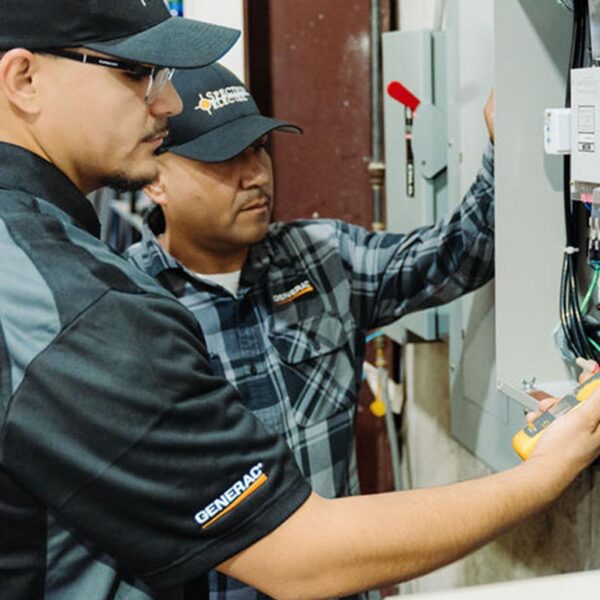
Planned Power Outages Happen, Too
Utility providers like Xcel Energy and CORE Electric regularly perform planned power outages for maintenance, infrastructure upgrades, and safety during extreme weather events.
Even though these outages are scheduled, they still disrupt:
- Remote work and online meetings
- Home offices and businesses
- Heating, cooling, and refrigeration
- Security and smart home systems
Being prepared means a planned outage doesn’t bring your entire day to a halt.
Why Power Outages Are More Disruptive Than Ever
Today, losing power is more than an inconvenience, it can actually cost you money.
For remote workers and business owners, outages can lead to:
- Missed meetings and deadlines
- Lost productivity and income
- Disrupted communication
For families, outages can cause food loss, unsafe temperatures, and unnecessary stress. Preparing ahead of time protects both your comfort and your livelihood.
Work With Spectrum Electric Before the Next Storm
The best time to prepare for a power outage is before one is in the forecast.
Spectrum Electric provides:
- Electrical system evaluations
- Backup power and generator readiness planning
- Transfer switch installation
- Code-compliant electrical upgrades
Contact Spectrum Electric today
Prepare now so that when the power goes out, your day doesn’t.
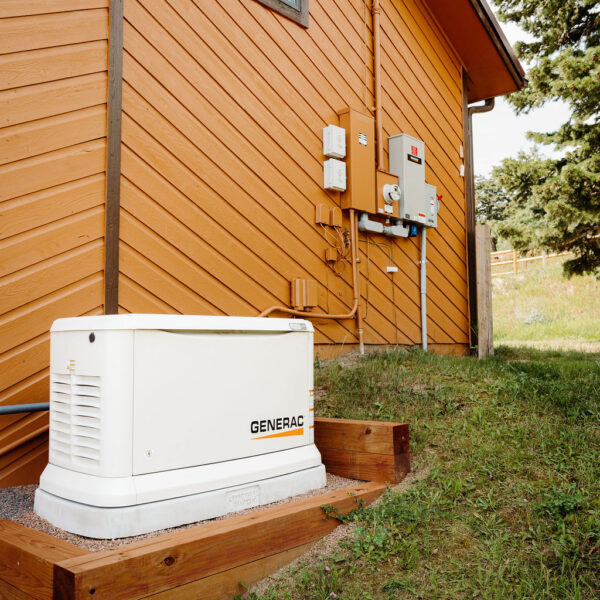
Reliable Backup Power Planning for Colorado Homes
Colorado weather can change fast. High winds, heavy snow, ice, and summer storms regularly cause power outages, often with little warning. Whether it’s a brief disruption or a multi-day outage, being prepared ahead of time can make a huge difference in comfort, safety, and productivity.
Spectrum Electric can help you plan for a power outage before it happens so you’re not left in the dark when the lights go out.
Call Spectrum Electric today to prepare for the next outage.